Reopening Of Ijen Crater: Travel Guide For Visitors
The reopening of Ijen Crater has been officially announced for 28 September 2026 after the popular nature tourism area was temporarily closed because of forest and land fires. The reopening allows you to resume nature tourism, hiking, research, and educational activities, provided they follow the latest safety rules issued by the conservation authority.
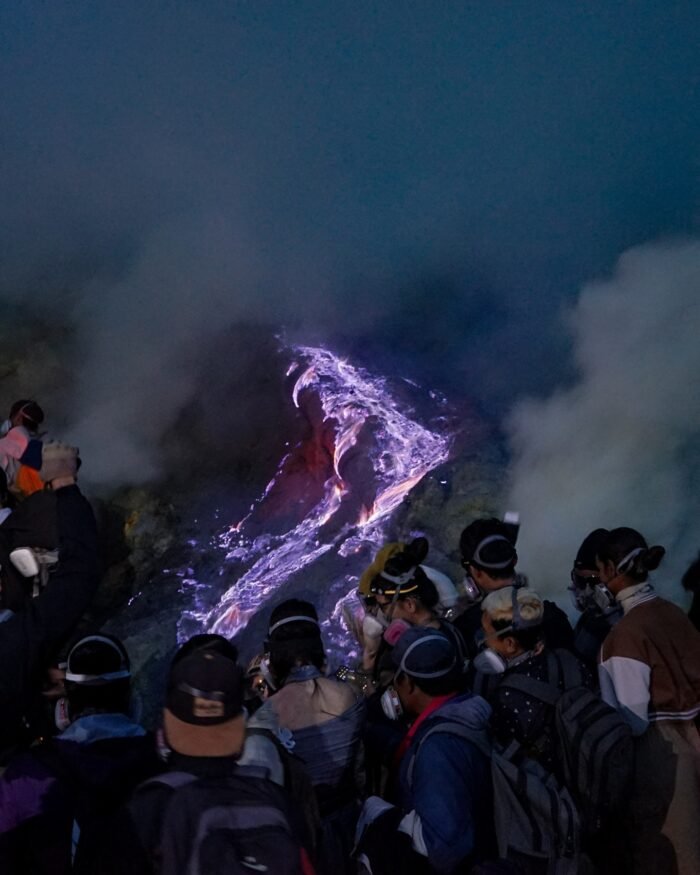
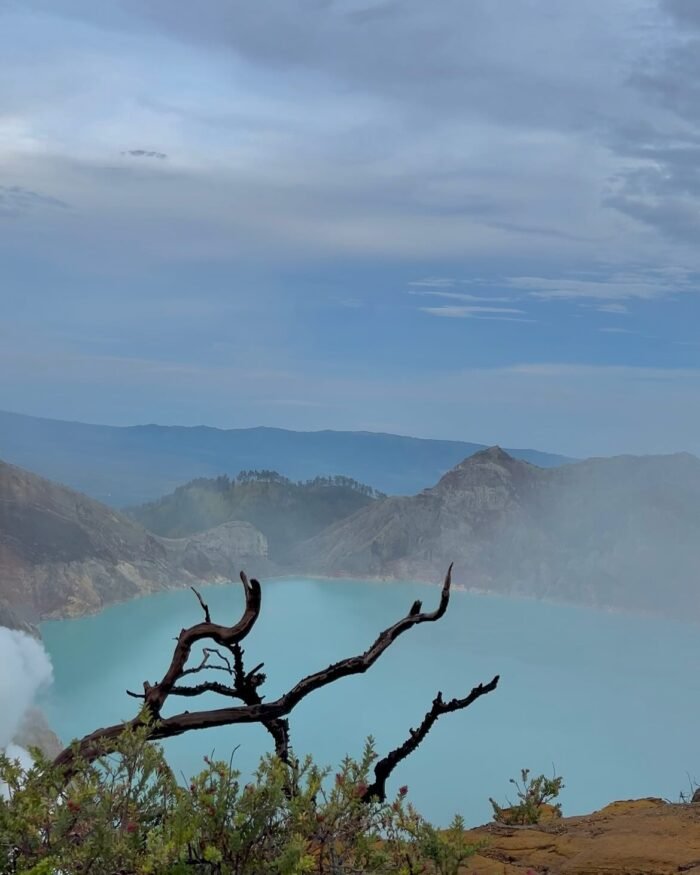
Located on the border of Banyuwangi and Bondowoso in East Java, Ijen Crater is one of Indonesia’s most extraordinary volcanic destinations. The area is famous for its turquoise crater lake, dramatic volcanic landscapes, sulfur miners, and the rare blue-fire phenomenon visible before sunrise. Following the reopening of Ijen Crater, you can once again plan an adventure to one of Java’s most memorable mountain attractions.
Instagram.com @kawahijenindonesia
Why Was Ijen Crater Closed?
The closure began in early September 2026 after fires affected parts of the Ijen Crater Nature Tourism Park. Although emergency firefighting and cooling operations were completed, visitors were not immediately allowed to return. Authorities needed to evaluate the hiking route, surrounding vegetation, and general conditions before permitting public access.
The temporary closure was important because volcanic terrain can become hazardous after a fire. Smoke, unstable vegetation, damaged sections of trail, falling branches, and difficult visibility may create risks for hikers and local workers. The decision to delay the reopening of Ijen Crater allowed the responsible authorities to conduct safety checks rather than reopening the destination too quickly.
The East Java Natural Resources Conservation Agency, known BKKSDA Jawa Timur, later confirmed that the route had been evaluated and considered safe for visitors. The official announcement was issued on 24 September 2026 and stated that access would resume on 28 September.
Official Reopening Date
The reopening of Ijen Crater will take place on Monday, 28 September 2026. From this date, the area is open to the public for nature tourism, trekking, research, and educational activities.
You should understand that reopening does not mean visitors can enter without preparation. All guests, tour operators, guides, and other tourism participants must follow the regulations established by BKKSDA Jawa Timur. Moreover, online ticket reservations are mandatory through the official Ayo Ke Taman Nasional platform, which is managed by Indonesia’s Ministry of Forestry.
According to the reported announcement, online reservations became available on 25 September 2026 at 3:00 p.m. The initial visitor quota for the first day was set at 1,000 people. Because demand may be high, you should reserve your tickets before traveling to Banyuwangi or Bondowoso.
What You Should Prepare
The reopening of Ijen Crater is an opportunity to enjoy the mountain responsibly, but you still need to prepare for a demanding journey. The hike from the Paltuding area to the crater viewpoint involves a steep uphill route. The distance is manageable for many travelers, but the cold temperatures, darkness, altitude, and uneven surface can make the trek physically challenging.
Before leaving, you should prepare warm clothing, sturdy hiking shoes, gloves, a headlamp, drinking water, and light snacks. A windproof jacket is particularly useful because temperatures at the starting point and along the trail can be very low before sunrise. If you plan seeing the blue fire, you should also carry a reliable headlamp and remain with their guide or group.
Instagram.com @nandafadilahidayat
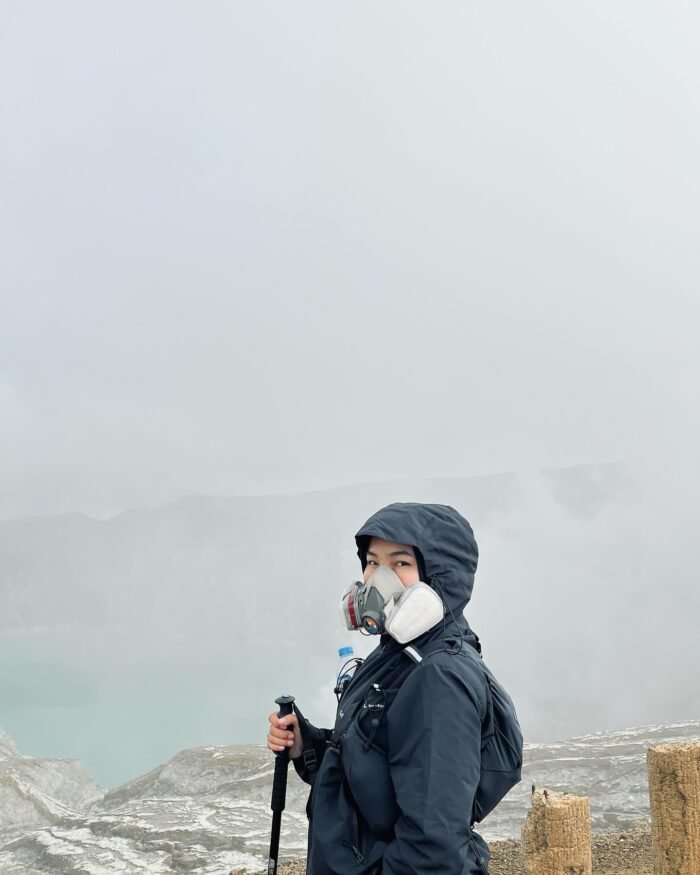
A face mask can help reduce discomfort from dust and volcanic gases. However, you should never ignore official instructions about air quality or sulfur exposure. People with respiratory, heart, or mobility problem should consult a medical professional before joining the hike.
Safety Rules After Reopening of Ijen Crater
The reopening of Ijen Crater comes with an emphasis on visitor safety and environmental protection. You are expected to follow the applicable Standard Operating Procedures, including wearing suitable equipment and respecting instructions from officers and guides.
Furthermore, you should remain on designated trails and avoid entering restricted areas. The crater environment is active and unpredictable. So, approaching unstable edges, climbing barriers, or attempting to descend without authorization can be extremely dangerous. The acidic crater lake and volcanic gases require particular caution.
You should also avoid actions that could cause another fire. Do not throw cigarette ends, use fire carelessly, or leave flammable waste along the route. Then, take all rubbish back with you and avoid damaging plants or disturbing wildlife.
The reopening of Ijen Crater also benefits local communities whose livelihoods depend on tourism. Guides, porters, food sellers, transport providers, accommodation owners, and other residents can gradually resume their activities. Moreover, you can support the local economy by hiring registered guides, buying local products, and treating workers respectfully.
Instagram.com @iiez.zz
Best Way to Visit
For the best experience after the reopening of Ijen Crater, many travelers choose to arrive in the Paltuding area late at night and begin hiking in the early morning. This schedule provides an opportunity to reach the viewpoint before sunrise and, when conditions allow, observe the blue fire.
However, the blue-fire experience is never guaranteed. Visibility depends on volcanic activity, weather, safety conditions, and instructions from park officials. You should not pressure guides to enter closed or restricted areas merely to see the phenomenon.
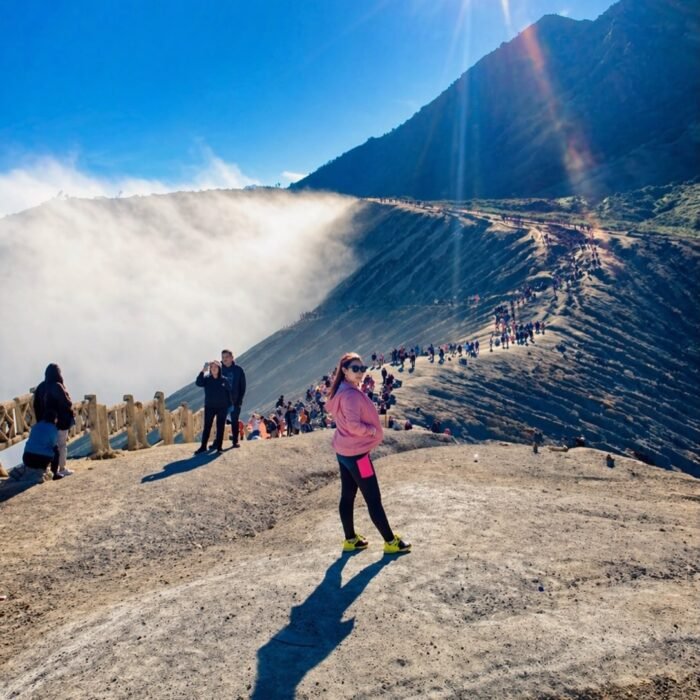
A more relaxed option is to hike after sunrise. The trail may be easier to navigate in daylight, and you can enjoy views of the crater landscape without focusing on the blue fire. Photographers may also prefer the morning because the surrounding mountains and volcanic scenery become more visible as the sky brightens.
Responsible Travel Advice
The reopening of Ijen Crater should be viewed as a shared responsibility between authorities, local residents, tour operators, and visitors. You can help protect the destination by following every instruction, keeping noise levels low, and avoiding litter.
Do not take sulfur rocks, plants, or other natural materials as souvenirs. The crater is part of a protected conservation area, and removing natural objects can gradually damage the environment. You should also ask permission before photographing miners or local residents, particularly when taking close-up portraits.
Because access rules can change according to weather, volcanic conditions, fire risk, or other emergencies, check the latest official information shortly before departure. A ticket or tour booking does not guarantee access if authorities later determine that conditions are unsafe.
Instagram.com @nandafadilahidayat
Plan Your Ijen Crater Adventure Responsibly
The reopening of Ijen Crater marks the return of one of East Java’s most iconic outdoor experiences after a necessary temporary closure. With access restored from 28 September 2026, you can once again explore the volcanic landscape, witness sunrise over the crater, and learn about the communities connected to this remarkable destination.
The most important part of the reopening of Ijen Crater is responsible preparation. Reserve tickets through the official platform, bring appropriate equipment, follow all safety instructions, and respect the protected environment. By traveling carefully, you can enjoy Ijen while helping ensure that this extraordinary volcanic destination remains safe and accessible for the future.